Your commute should not feel like a daily boss fight. The right city turns “getting there” into one tap, a clear map, and a ride that shows up when it says it will.
If you’ve ever used https://aihomeworkhelper.com/ to save time on a tough assignment, you already get the idea: smart systems remove friction. Public transit can do the same for your week.
Below are cities where buses and trains connect neighborhoods, run often, and stay practical after 9 p.m.
New York City, New York
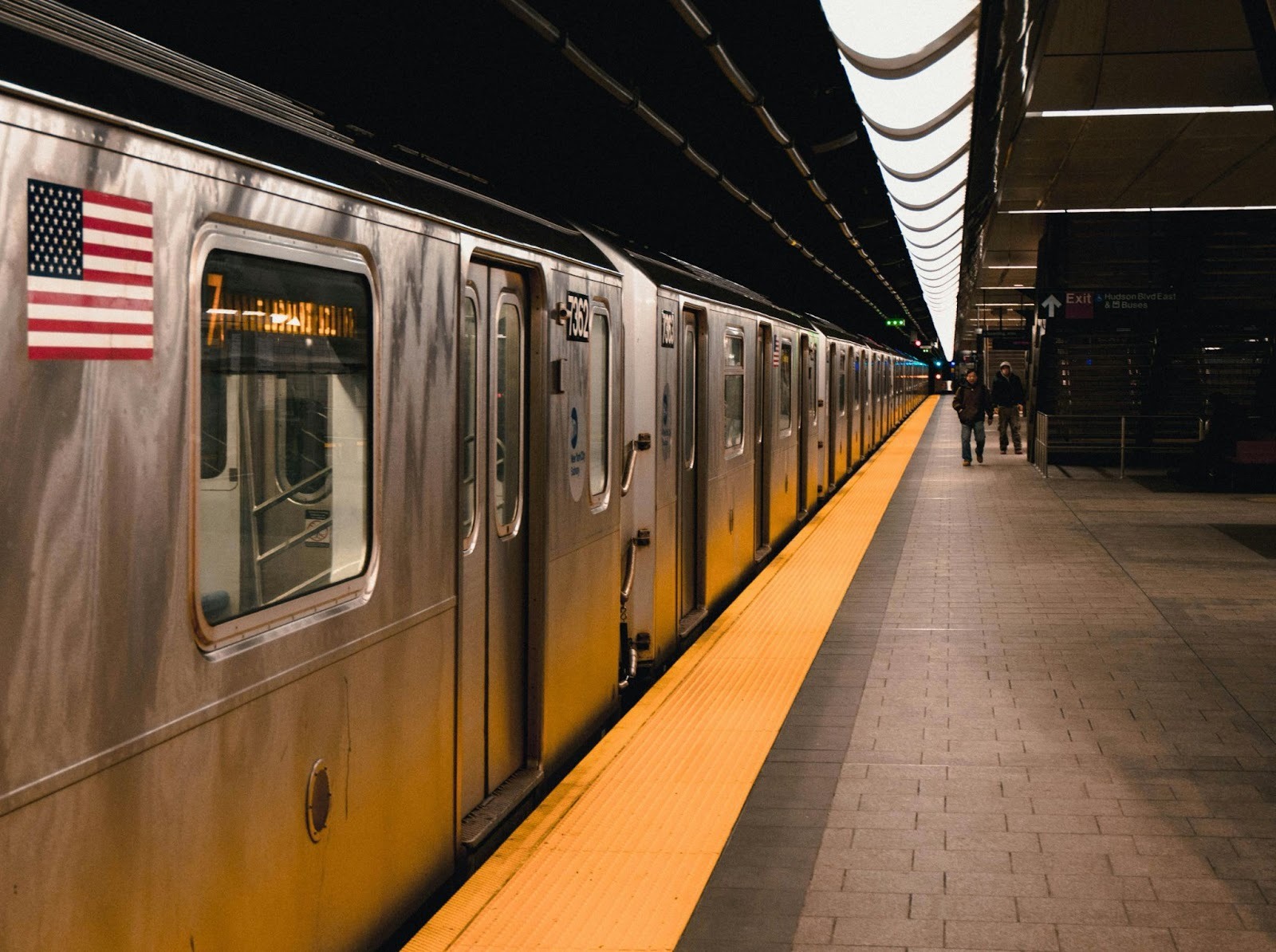
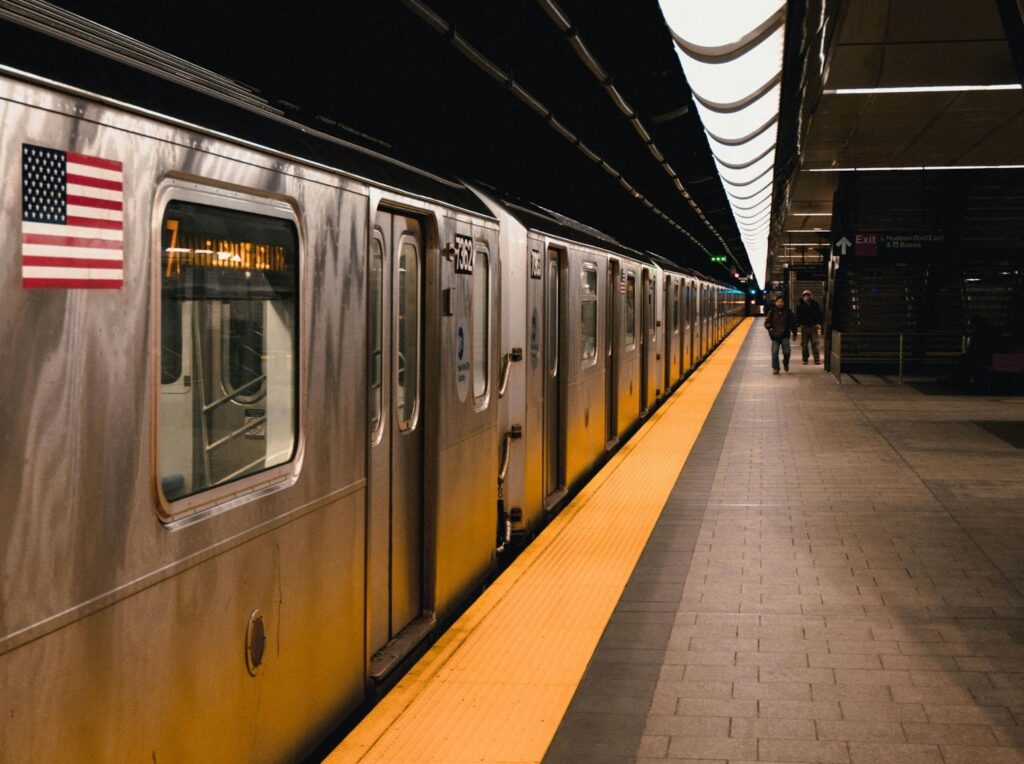
If you’re asking what city has the best public transportation, New York is the default answer. The subway runs 24/7, reaches most high-demand areas, and pairs well with buses for cross-town trips. Learn the difference between local and express trains, and use OMNY tap-to-pay to keep entry simple.
What makes it easy:
- Subway for long jumps between boroughs.
- Buses for the last mile in many neighborhoods.
- Ferries for select waterfront commutes.
Reality check: weekend reroutes are common. Check late-night headways on the lines you’ll depend on.
Washington, DC
Metro is clean, legible, and friendly for first-timers. Stations are spaced out, so trips feel straightforward, and buses fill in what rail misses. Add bike lanes – and you can mix modes without stress. SmarTrip works across Metro and many buses, so you are not juggling payments.
Ride-smart tips:
- Live near a station if you want predictable commutes.
- Use buses for the in-between neighborhoods.
- Expect crowd spikes around big events.
Reality check: off-peak frequency can dip.
Chicago, Illinois
The CTA “L” is grid-based and quick to learn. Many neighborhoods reach downtown with minimal transfers, and buses stay frequent on major avenues. Ventra payments and day passes make short rides feel low-effort.
Where it shines:
- Strong downtown access from multiple lines.
- Blue Line links to O’Hare.
- Buses cover many east-west moves.
Reality check: track work can slow weekends.
San Francisco, California
You can live car-free here if you choose the right corridors. Muni handles local trips, and BART connects the broader region. It’s also one of the most tourist-tested cities with best public transportation US can offer, so signage and payment options are usually clear. Clipper is the one card you’ll want, and the Market Street spine is a mental anchor.
Make it easy:
- Muni for city trips.
- BART for Bay Area jumps.
- Keep one backup route for delays.
Reality check: different agencies can mean different fare rules.
Boston, Massachusetts
Boston is dense, so transit and walking stack naturally. The MBTA is compact enough to learn fast, and you can string together short rides without feeling stuck on one line. CharlieCard fares are straightforward, and hubs like Park Street help with quick transfers.
Quick wins:
- Red and Orange Lines cover many student and job zones.
- Buses are clutch for crosstown trips.
- Ferries help if you live near the water.
Reality check: slow zones happen. Live near two routes if you can.
Philadelphia, Pennsylvania
SEPTA covers subways, trolleys, buses, and regional rail in one usable network. If you’re weighing states with the best public transportation, Pennsylvania looks better once you see how much Philly’s system supports daily life. Trolleys are especially handy around Center City and university zones when you want short, frequent hops.
How to ride it well:
- Market-Frankford for fast east-west.
- Broad Street for north-south and sports nights.
- Regional rail for suburb access.
Reality check: regional rail is schedule-based, not constant.
Seattle, Washington
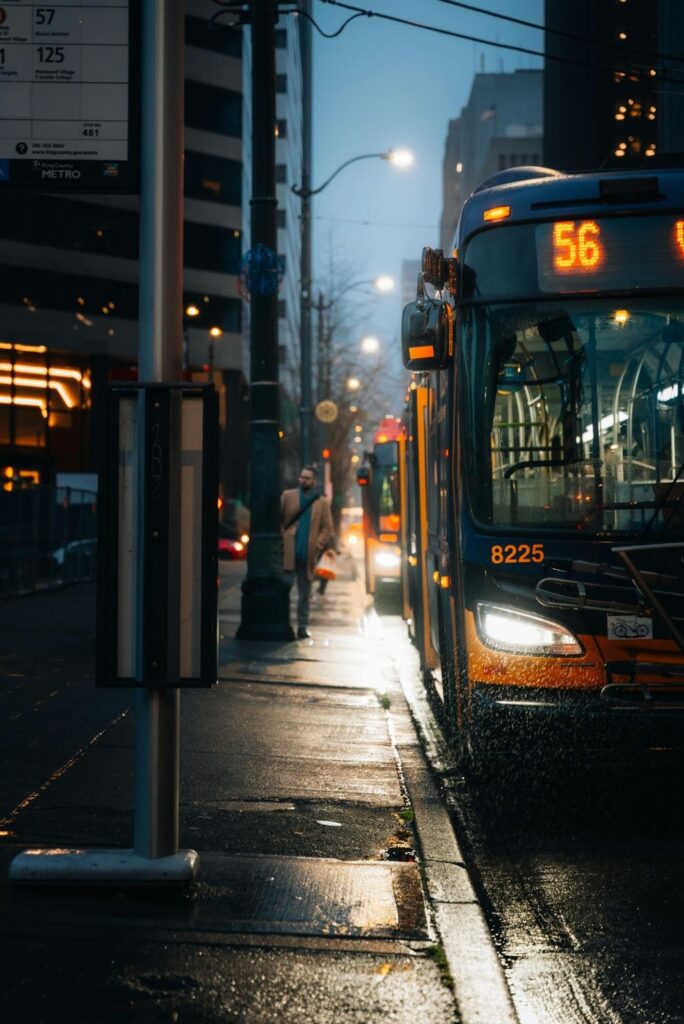
Seattle’s Link light rail is expanding, and buses still do the heavy lifting. Geography matters, so direct routes beat short-distance routes, especially when hills and rain change walking time. ORCA covers rail, buses, and ferries, and the airport link is a practical perk.
Make your routes painless:
- Pick a neighborhood with both rail and strong bus lines.
- Favor one-seat rides over slow transfers.
- Use ferries as transit across the water.
Reality check: quality varies a lot by corridor.
Portland, Oregon
Portland’s TriMet system is calm and consistent. MAX light rail is simple, buses are dependable, and the streetcar fits central neighborhoods well. It’s one of those places with the best public transportation if you want predictable rides and clear stops.
Small habits that help:
- MAX for backbone trips.
- Buses for neighborhood detail and evenings.
- Walk the last stretch because the blocks are compact.
- Hop Fastpass keeps fares and transfers simple.
Reality check: far-out suburbs get less frequent service.
Minneapolis and Saint Paul, Minnesota
The Twin Cities keep it practical: light rail covers key corridors, buses run well on major routes, and winter operations are taken seriously. If the snow season worries you, this region is a solid bet. Go-To payments are common, and sheltered downtown routes can matter in winter.
Transit-friendly planning:
- Live near a frequent bus corridor.
- Use the light rail for airport trips and events.
- Look for sheltered stops in winter.
Reality check: coverage is corridor-strong, not everywhere.
Before You Pick a Transit City
Use this right after you shortlist 2–3 places. It keeps you from choosing a “cool city” that turns into a daily commute tax.
- Frequency: do your key lines run often at the times you ride?
- Coverage: can you reach groceries and friends without messy transfers?
- Payment: tap-to-pay or one simple card, not a puzzle.
- Late service: what happens after 10 p.m. on weekdays and weekends?
- Accessibility: elevators and step-free boarding on your route.
- Weather plan: covered stops or reliable winter operations.
Do this once, and you’ll avoid the “nice city, painful commute” surprise.
Bottom Line
Great transit is not a vibe. It is frequency, clear transfers, and routes that match the way you live. The cities above earn their spot because you can get to class, work, errands, and nights out without constant rideshare budgeting.
Use the checklist to match your routine to a corridor, and then pick housing that sits on a frequent line. That is when US cities with the best public transportation start saving you time, money, and daily patience.